Item sets


International Federation of Trade Unions - IFTU (1919–1945)
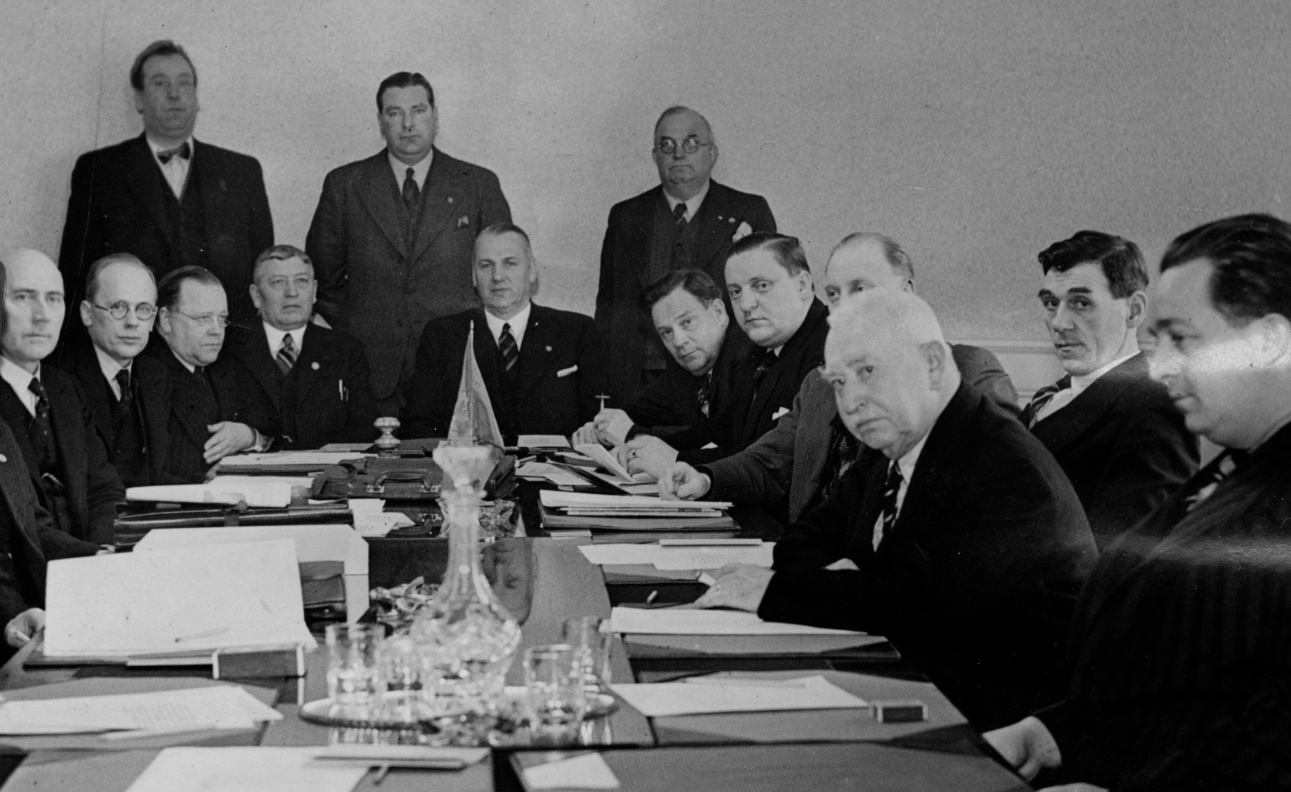
The International Federation of Trade Unions (IFTU), also called the Amsterdam International, was a global trade union organisation active from 1919 to 1945. It had ties to the Labour and Socialist International and was opposed by communist-aligned unions. After the American AFL withdrew in 1925, the IFTU became primarily European with a social democratic focus.
Its main role was lobbying the League of Nations and national governments in support of the International Labour Organisation (ILO).
By 1930, the IFTU had affiliates in 29 countries, representing 13.5 million workers. Its headquarters moved from Amsterdam to Berlin, then to Paris, and finally to London during WWII. Walter Schevenels served as secretary-general from 1930 to 1945. The IFTU dissolved in 1945 and was succeeded by the World Federation of Trade Unions (WFTU).
Its main role was lobbying the League of Nations and national governments in support of the International Labour Organisation (ILO).
By 1930, the IFTU had affiliates in 29 countries, representing 13.5 million workers. Its headquarters moved from Amsterdam to Berlin, then to Paris, and finally to London during WWII. Walter Schevenels served as secretary-general from 1930 to 1945. The IFTU dissolved in 1945 and was succeeded by the World Federation of Trade Unions (WFTU).
International Confederation
Svenska Lantarbetareförbundet (1908-2002)
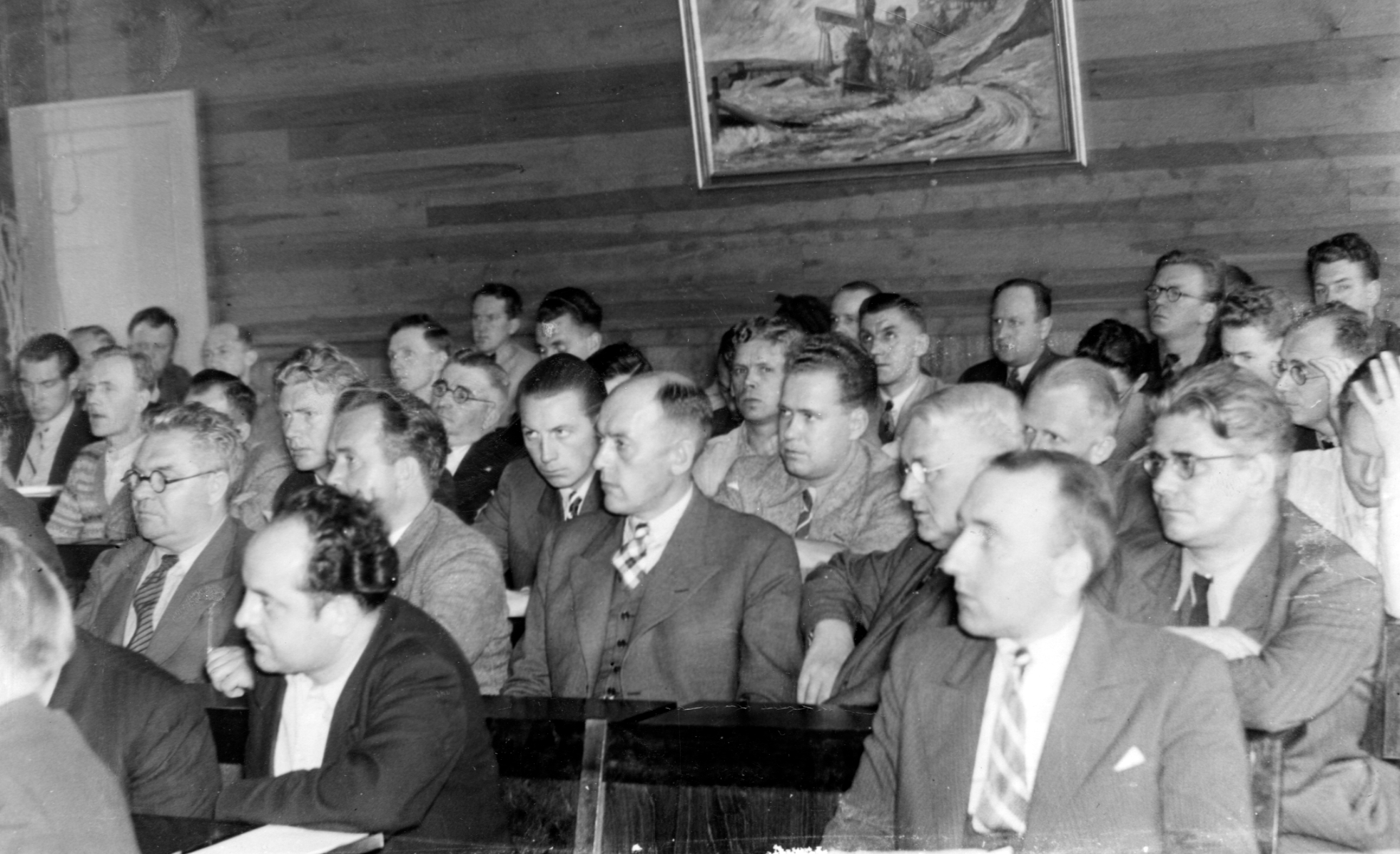
In the late 19th century, attempts were made to form trade unions for agricultural workers in several parts of Sweden. The agitator Fredrik Thorsson was particularly active in this regard in the Ystad area. Some agricultural workers also organised themselves in Grov- och fabriksarbetareförbundet (the Union of Manual and Factory Workers). During the first decade of the 20th century, regional agricultural workers' unions were formed in several places in Sweden. Skånes Lantarbetareförbund (the Skåne Agricultural Workers' Union) was formed in 1904, Norrland's in 1906, and so on.
Svenska Lantarbetareförbundet (the Swedish Agricultural Workers' Union) was formed in 1908 in Mjölby and joined LO (the Swedish Trade Union Confederation) in 1909. The young organisation was hit hard by the 1909 general strike, and in 1911, it was expelled from the LO for non-payment. The union did not rejoin LO until 1930.
Labour market conflicts marked the entire 1920s. The most famous is the Möre conflict, in which the organisation demanded negotiations over wages and working conditions with the large landowning farmers in the Möre district outside Kalmar. After three years of strikes, the landowners accepted the workers' right to negotiate and sat down at the negotiating table. The conflict became nationally known and symbolic for the labour movement because it highlighted the miserable and almost feudal conditions that were still a reality in rural areas.
In 1945, the organisation achieved its most significant victory when “statarsystemet”, the Swedish system of contract labour in which workers were paid in kind rather than regular wages, was abolished. The proportion of farm labourers had declined throughout the 1930s, but from 1945 onwards, all farm workers were to receive cash compensation for their work.
The organisation has undergone several reorganisations. During the 1950s and 1960s, membership declined, and several branches around the country were. In 1986, the number of branches was drastically reduced. On 1 January 2002, the organisation ceased to exist and merged with Svenska Kommunalarbetareförbundet (the Swedish Municipal Workers' Union).
Svenska Lantarbetareförbundet (the Swedish Agricultural Workers' Union) was formed in 1908 in Mjölby and joined LO (the Swedish Trade Union Confederation) in 1909. The young organisation was hit hard by the 1909 general strike, and in 1911, it was expelled from the LO for non-payment. The union did not rejoin LO until 1930.
Labour market conflicts marked the entire 1920s. The most famous is the Möre conflict, in which the organisation demanded negotiations over wages and working conditions with the large landowning farmers in the Möre district outside Kalmar. After three years of strikes, the landowners accepted the workers' right to negotiate and sat down at the negotiating table. The conflict became nationally known and symbolic for the labour movement because it highlighted the miserable and almost feudal conditions that were still a reality in rural areas.
In 1945, the organisation achieved its most significant victory when “statarsystemet”, the Swedish system of contract labour in which workers were paid in kind rather than regular wages, was abolished. The proportion of farm labourers had declined throughout the 1930s, but from 1945 onwards, all farm workers were to receive cash compensation for their work.
The organisation has undergone several reorganisations. During the 1950s and 1960s, membership declined, and several branches around the country were. In 1986, the number of branches was drastically reduced. On 1 January 2002, the organisation ceased to exist and merged with Svenska Kommunalarbetareförbundet (the Swedish Municipal Workers' Union).
National branch
International Federation of Plantation, Agricultural and Allied Workers - IFPAAW (1959-1993)
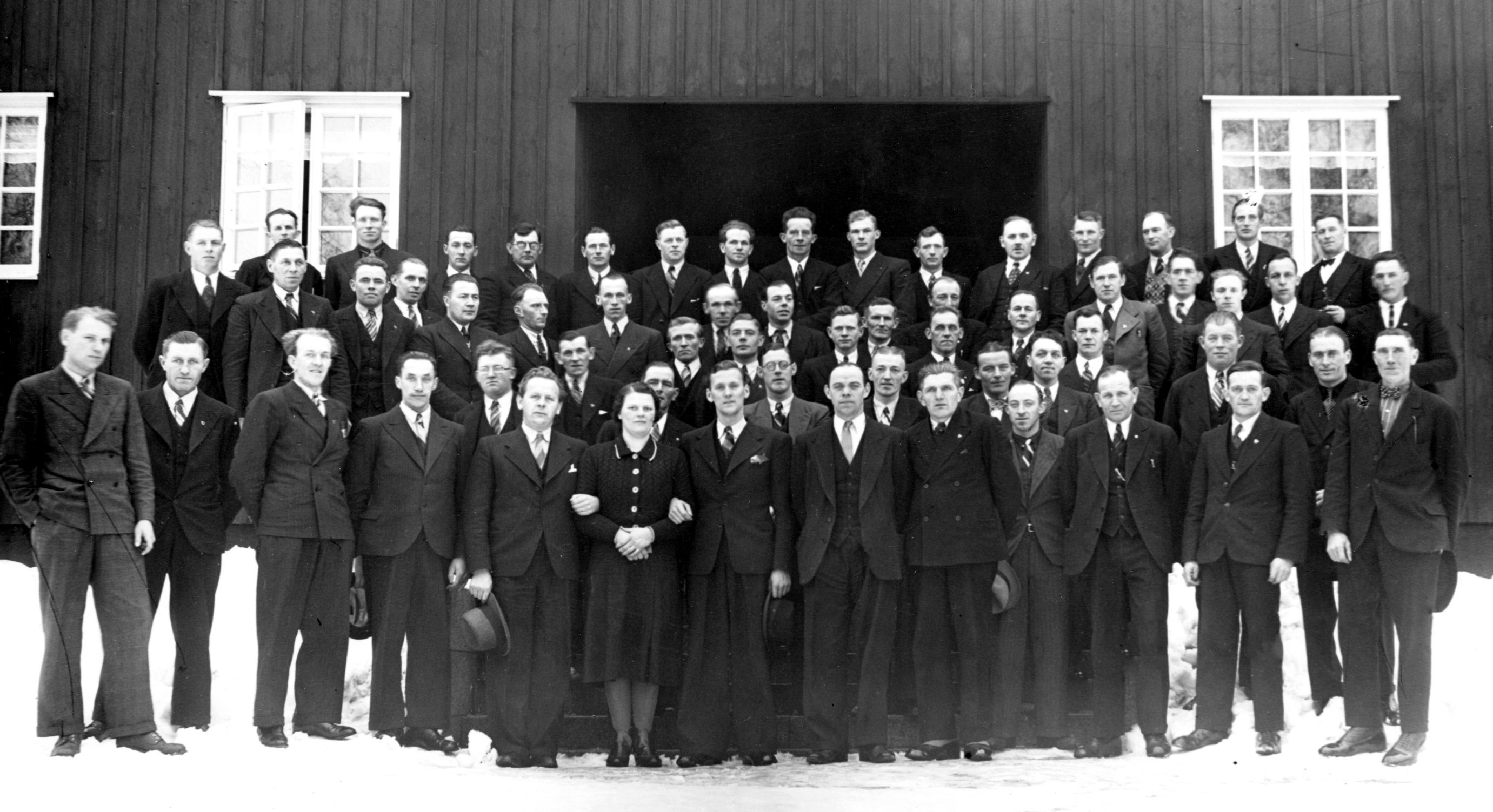
The organisation was formed on 2 December 1959 through the merger of the Plantation Workers International Federation and the International Landworkers' Federation. It represented agricultural and plantation workers globally, including former affiliates of the defunct International Federation of Tobacco Workers.
In 1988, it pioneered international collective bargaining by signing an agreement with Danone.
In 1994, IFPAW merged into the International Union of Food and Allied Workers' Associations, which was renamed to reflect its broader representation across food, agriculture, hospitality, and tobacco sectors.
In 1988, it pioneered international collective bargaining by signing an agreement with Danone.
In 1994, IFPAW merged into the International Union of Food and Allied Workers' Associations, which was renamed to reflect its broader representation across food, agriculture, hospitality, and tobacco sectors.
International branch
Lantarbetareförbundet avd 089 Lillkyrka (1923-1928)
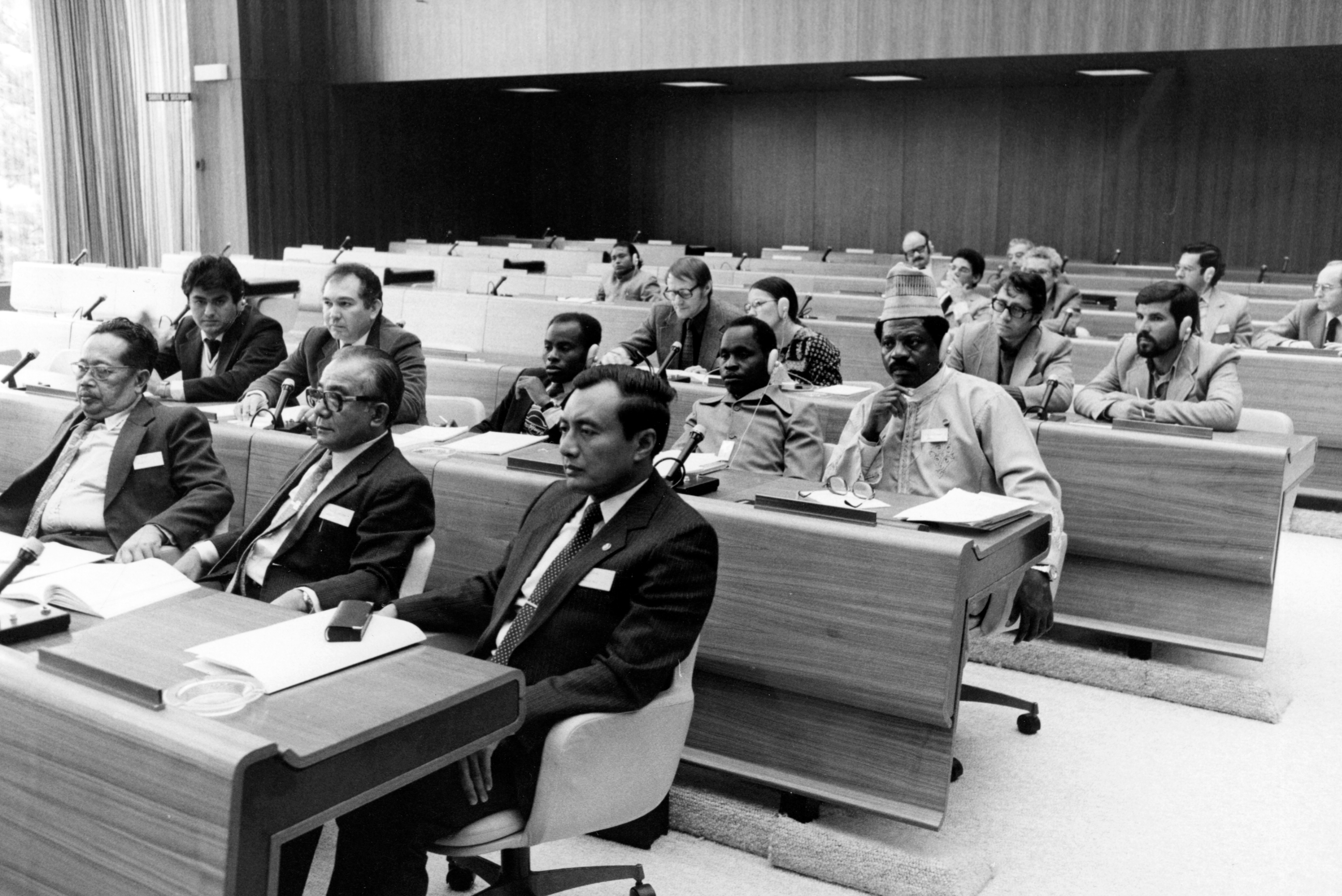
The department was formed as department 012 within the Uppland Agricultural Workers' Union.
Name change in 1930.
In 1958, the department ceased to exist and was merged into department 23 Veckholm.
Name change in 1930.
In 1958, the department ceased to exist and was merged into department 23 Veckholm.
Division
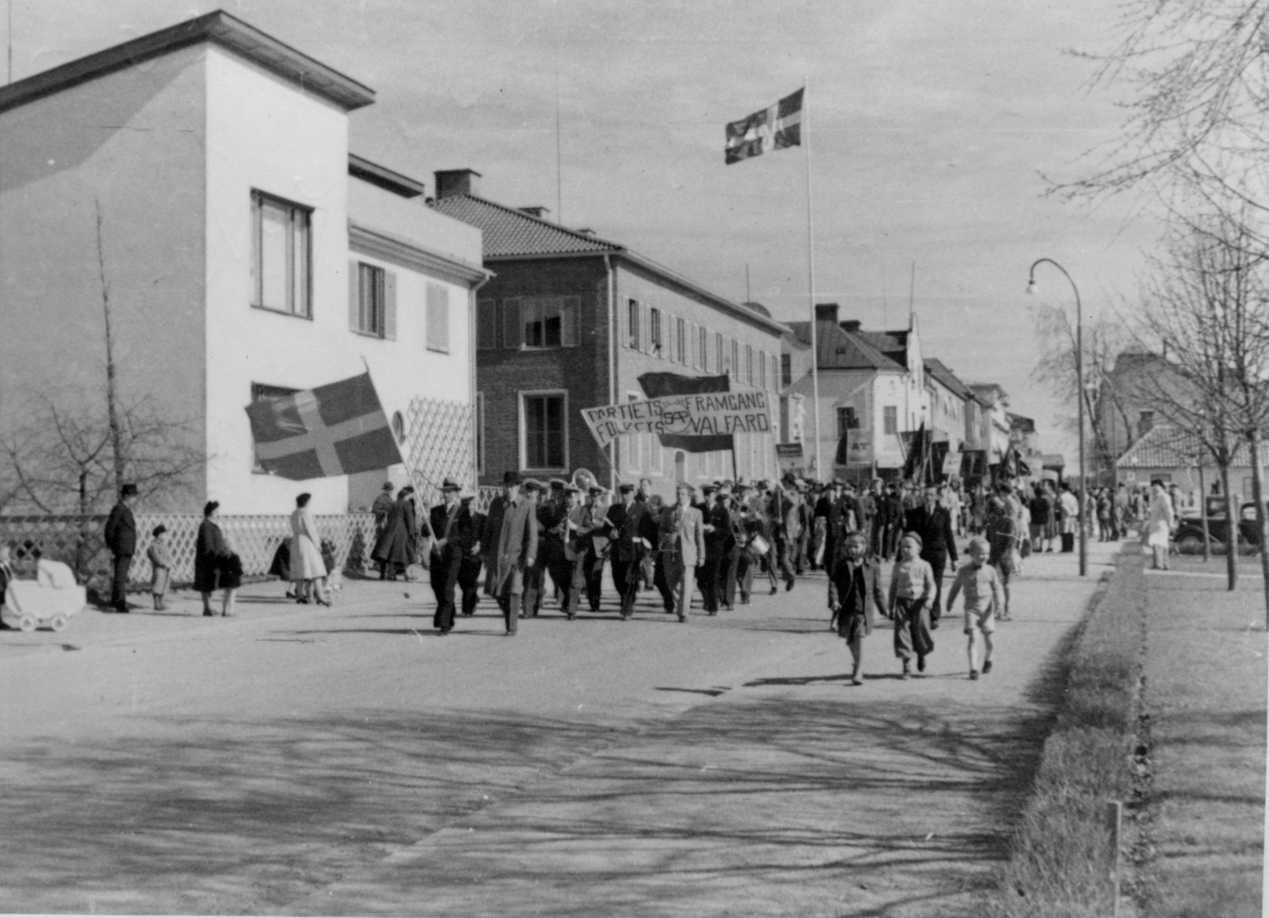
Landsorganisationen i Sverige (LO) (1898–)
Landsorganisationen (the Swedish Trade Union Confederation), usually just LO for short, is a confederation of Swedish trade unions, formed at a constituent congress in Stockholm on 5–8 August 1898.
Founded 1898
The association's first chairman was Fredrik Sterky (1898–1900).
Founded 1898
The association's first chairman was Fredrik Sterky (1898–1900).
national federation
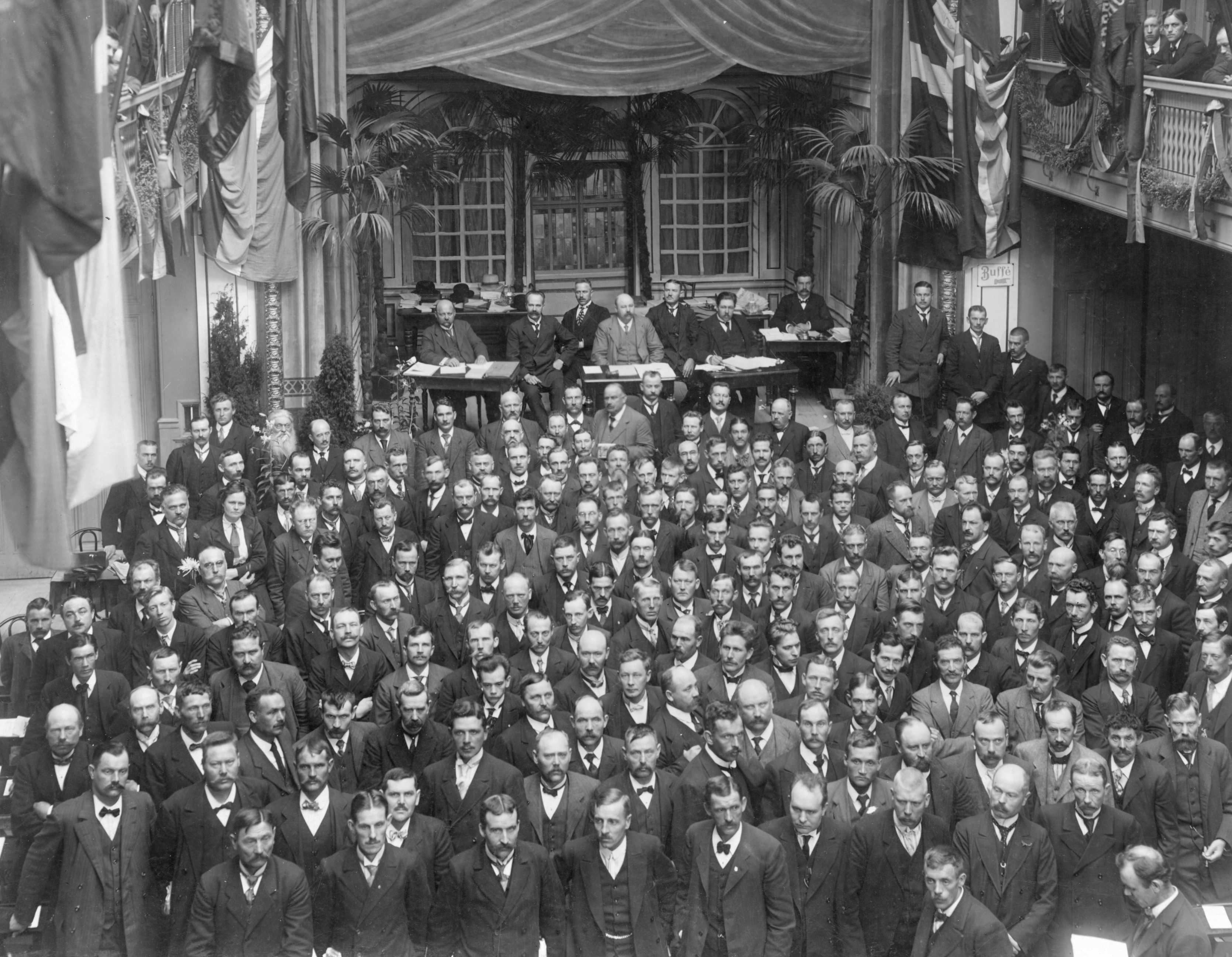
Svenska Hatt- och Pälsindustriarbetareförbundet (1923-1933)
1923 - founded in a merger between Hattarbetareförbundet and Pälsvaruarbetareförbundet
1933 - merged with Beklädnadsarbetareförbundet
1933 - merged with Beklädnadsarbetareförbundet
national branch
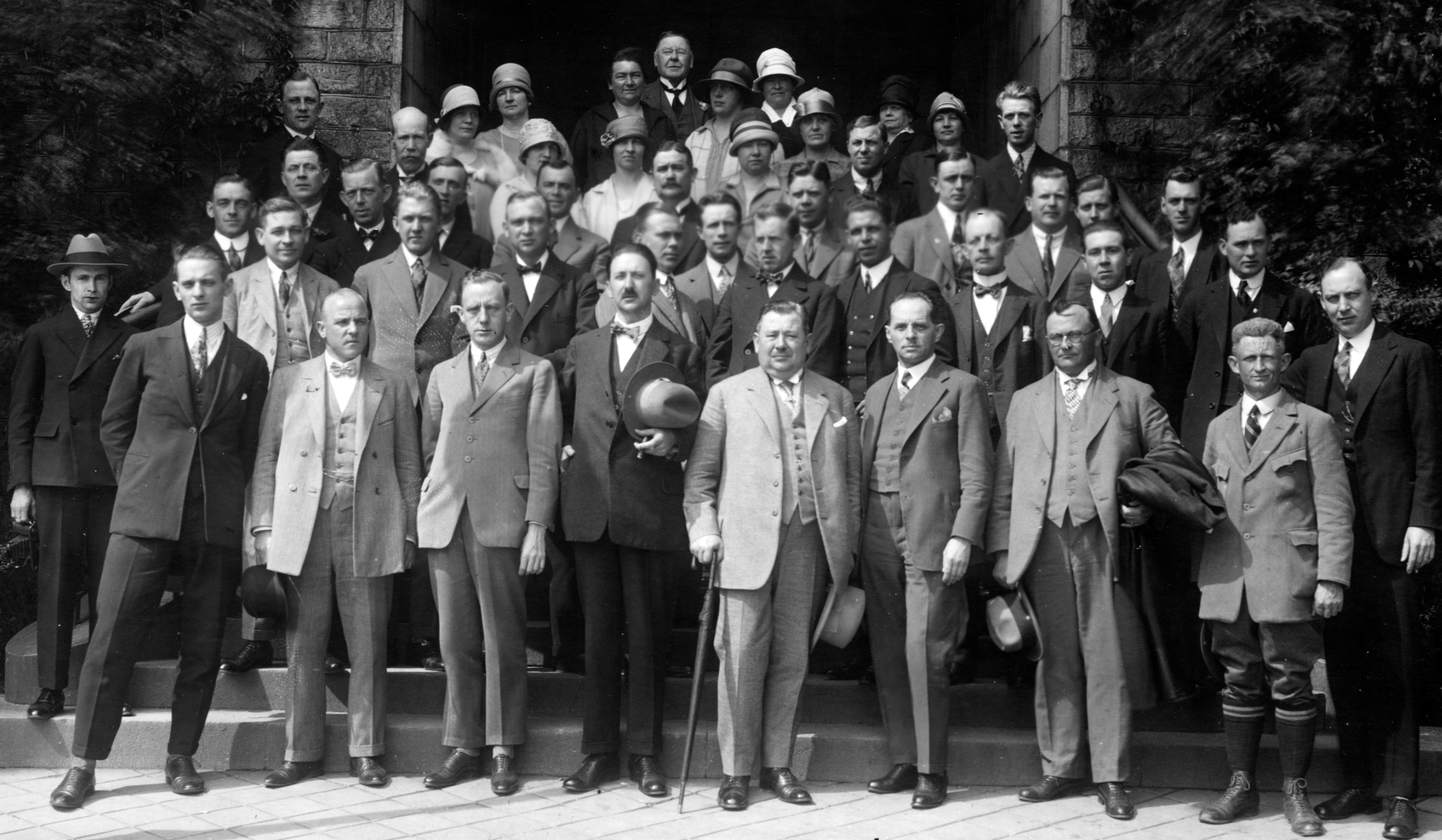
Svenska Skrädderiarbetareförbundet (1889–1926)
The organisaion was formed under the name Sveriges skrädderiarbetareförbund (the Swedish Tailors' Union). In 1898, it changed its name to Svenska skrädderiarbetareförbundet (the Swedish Tailor Workers' Union) and joined LO (the Swedish Trade Union Confederation) in the same year (1 April 1898).
On 1 January 1909, Kvinnornas fackförbund (the Women's Trade Union) joined the organisation.
The organisation began publishing the magazine Skrädderiarbetaren (The Tailor) on 1 January 1901. When the organisation changed its name in 1927, the magazine also changed its name to Beklädnadsarbetaren (The Garment Worker).
On 1 January 1909, Kvinnornas fackförbund (the Women's Trade Union) joined the organisation.
The organisation began publishing the magazine Skrädderiarbetaren (The Tailor) on 1 January 1901. When the organisation changed its name in 1927, the magazine also changed its name to Beklädnadsarbetaren (The Garment Worker).
national branch
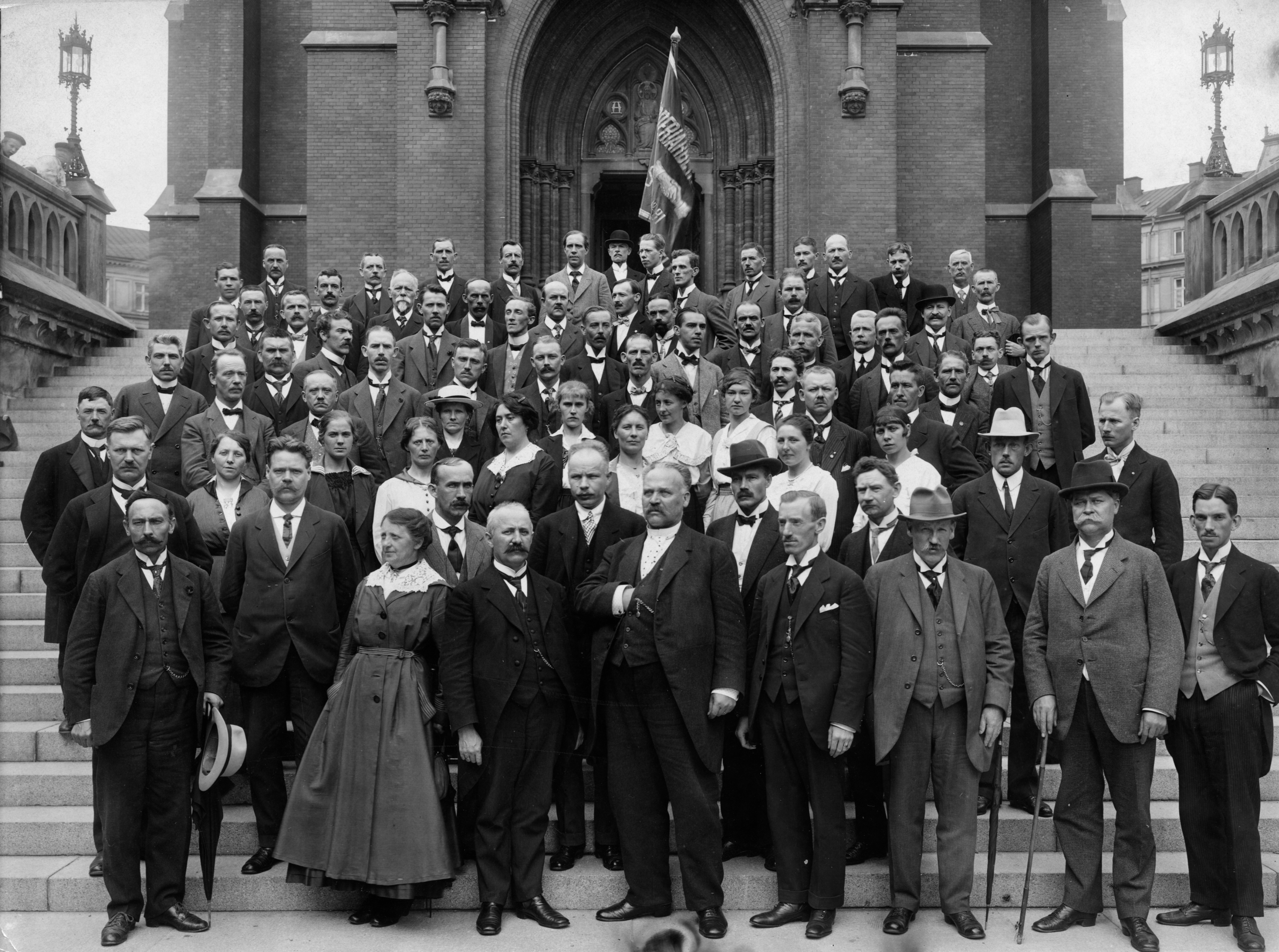
International Confederation of Free Trade Unions - ICFTU (1949–2006)
In 1949, amid Cold War tensions, several trade union federations, including those from the U.S., UK, France, Italy, and Spain, left the World Federation of Trade Unions (WFTU) due to concerns over communist influence. They formed the International Confederation of Free Trade Unions (ICFTU), representing 48 million workers across 53 countries.
Throughout its existence, the ICFTU debated its stance on communism and expanded its reach into Asia and Africa. After the fall of communist regimes in Eastern Europe, its membership grew significantly.
The organisation continued until 2006, when it merged with the World Confederation of Labour to form the International Trade Union Confederation (ITUC).
Throughout its existence, the ICFTU debated its stance on communism and expanded its reach into Asia and Africa. After the fall of communist regimes in Eastern Europe, its membership grew significantly.
The organisation continued until 2006, when it merged with the World Confederation of Labour to form the International Trade Union Confederation (ITUC).
International confederation
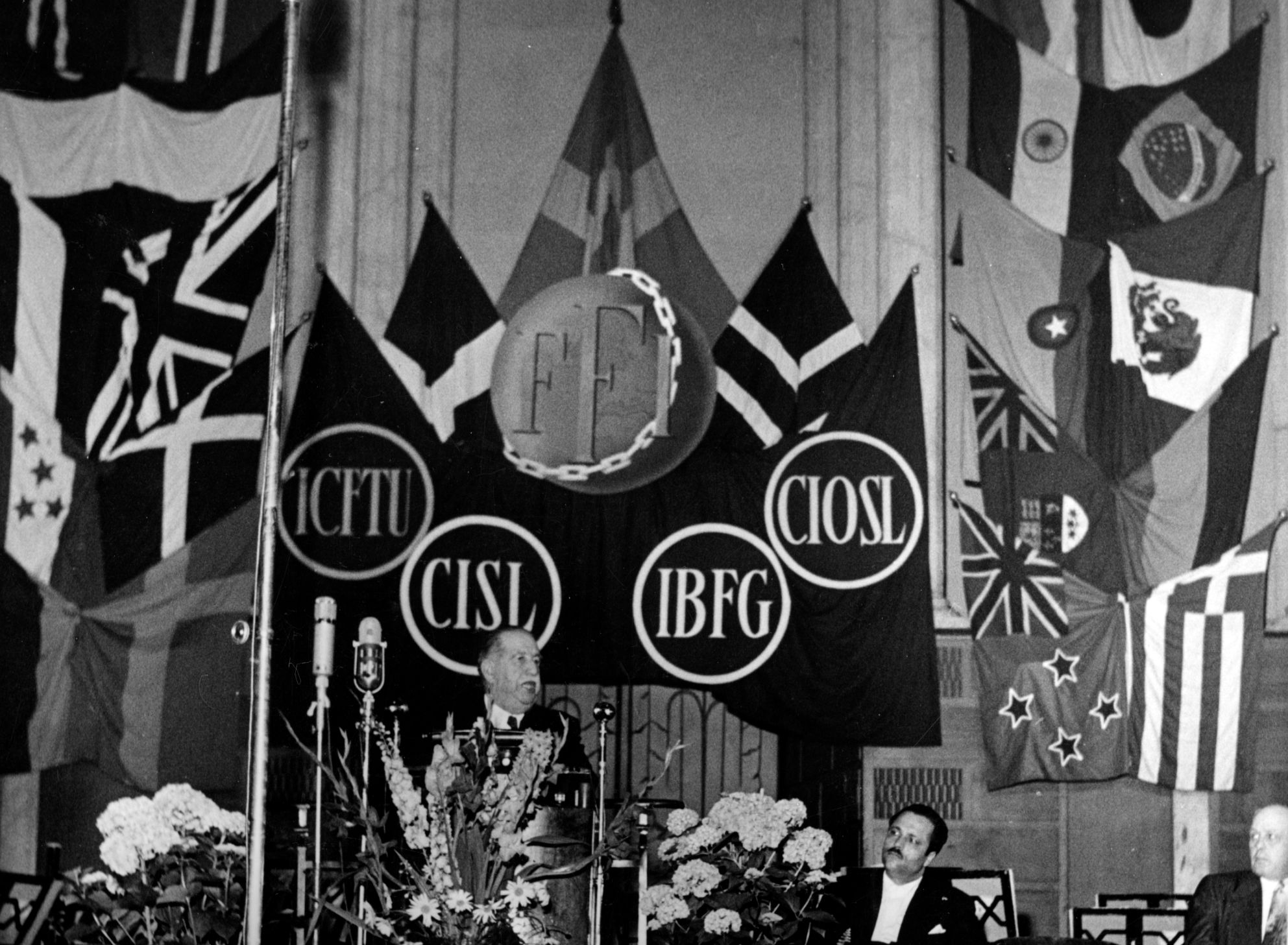
Svenska Kommunalarbetareförbundet (1910–)
In 1910, Svenska Kommunalarbetareförbundet (The Swedish Municipal Workers' Union) was formed, but the first municipal workers' conference was held as early as 1908. The driving force behind the formation of the union was the municipal umbrella organisation within Grov- och fabriksarbetareförbundet (the General Workers' Union), who organised sanitation workers, among others. From the outset, members of Svenska Spårvägsförbundet (the Swedish Tramway Workers' Union) also joined.
Ludvig Nordgren was the union's first representative, serving from 1910 to 1933.
Ludvig Nordgren was the union's first representative, serving from 1910 to 1933.
national branch
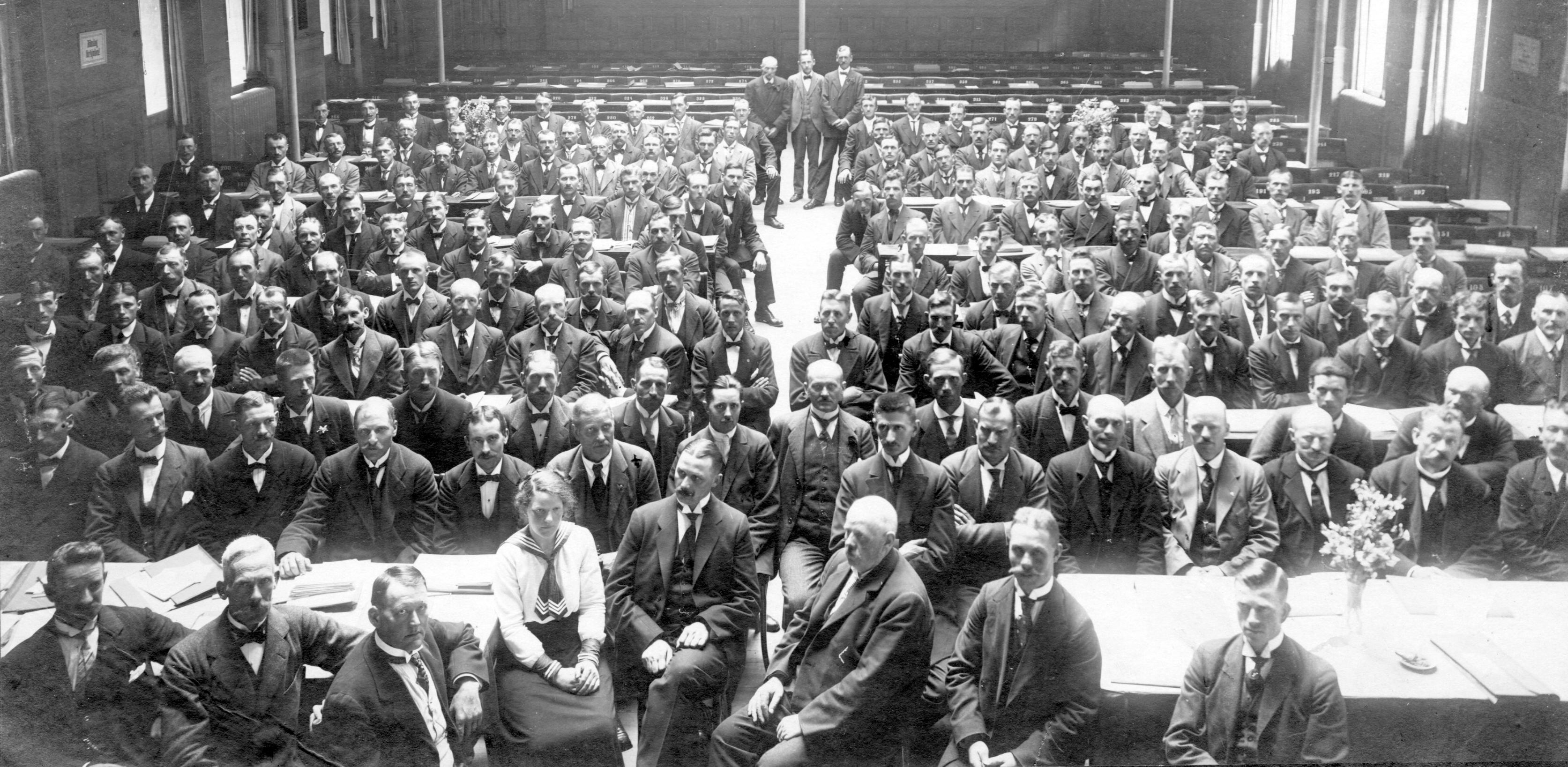
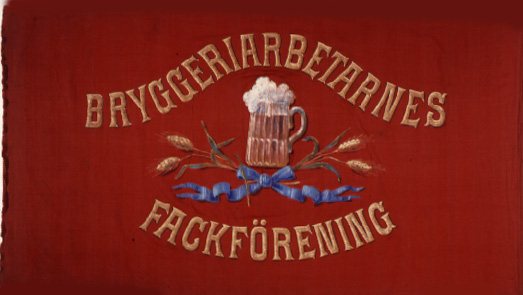
Svenska Bryggeriarbetareförbundet (1899–1916)
Svenska bryggeriarbetetareförbundet (Swedish brewery workers union) was formed on 22 January 1899. Its formation brought together local brewery workers' associations that already existed in several cities with large breweries into a single organisation. The union's objectives included protecting and promoting the economic interests of brewery workers and, in conjunction with other workers' organisations (both domestic and foreign), working for protective legislation, minimum wages, normal working hours and universal suffrage.
The union held its second congress in 1905, at which it was decided to join Landsorganistationen, LO (the Swedish Trade Union Confederation) from 1906.
In 1917, the name was changed to Svenska bryggeriindustriarbetareförbundet (the Swedish Brewery Industry Workers' Union), but the union's activities remained unchanged. In 1965, the union merged with Svenska livsmedelsarbetareförbundet (the Swedish Food Workers' Union).
The union held its second congress in 1905, at which it was decided to join Landsorganistationen, LO (the Swedish Trade Union Confederation) from 1906.
In 1917, the name was changed to Svenska bryggeriindustriarbetareförbundet (the Swedish Brewery Industry Workers' Union), but the union's activities remained unchanged. In 1965, the union merged with Svenska livsmedelsarbetareförbundet (the Swedish Food Workers' Union).
national branch
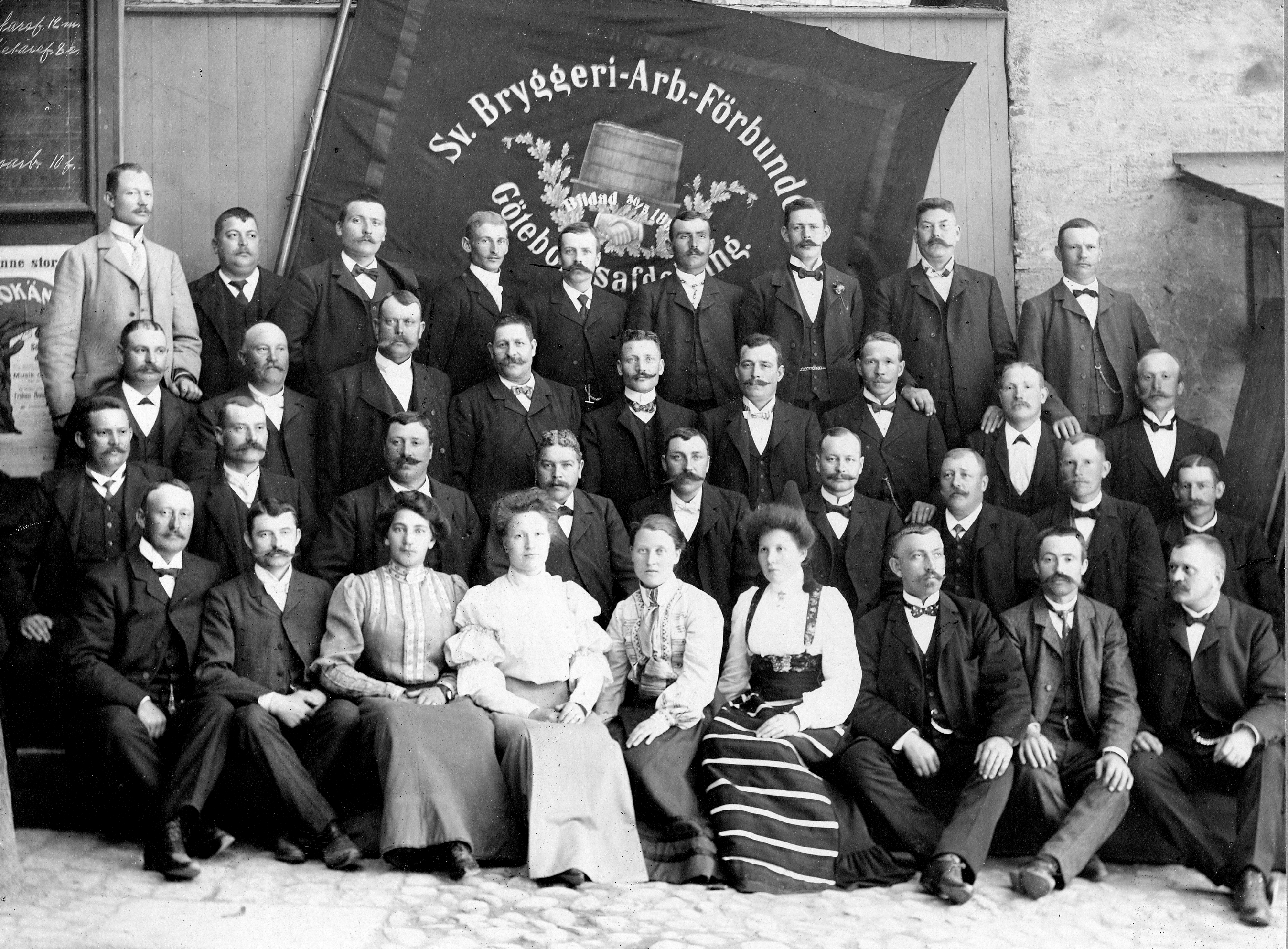
Svenska Textilarbetareförbundet (1898–1972)
The Swedish Textile Workers' Union was formed at a constituent meeting on 9 April 1898. One of the union's leading figures was Gustav Janzén, who represented the Stockholm branch and was elected to the union leadership at the 1904 congress. In 1972, it merged with Svenska Sko- och läderarbetareförbundet (the Shoe and Leather Workers' Union) and Svenska beklädnadsarbetareförbundet (the Swedish Clothing Workers' Union) to form the Clothing Workers' Union (Beklädnadsarbetarnas förbund).
national branch
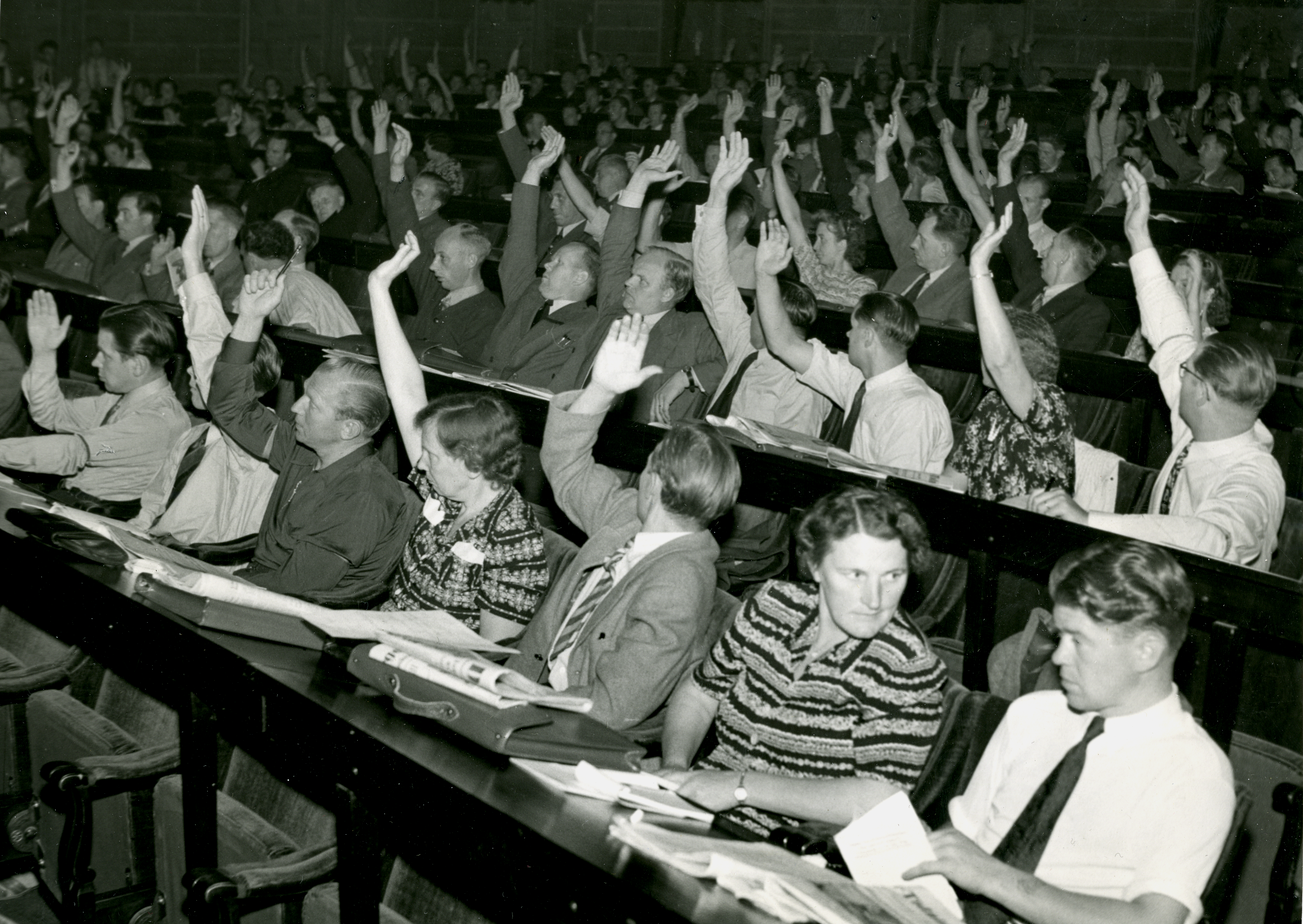
Svenska Beklädnadsarbetareförbundet (1927–1972)
On 1 January 1927, Svenska skrädderiarbetareförbundet (the Swedish Tailors' Union) changed its name to Svenska Beklädnadsarbetareförbundet (the Swedish Garment Workers' Union).
Further changes to the organisation occurred in 1933, when Svenska hatt- och pälsindustriarbetareförbundet (the Swedish Hat and Fur Industry Workers' Union) merged with it. In 1971, the organisation ceased to exist, and a new union was formed in 1972 through a merger with Svenska textilarbetareförbundet (the Swedish Textile Workers' Union) and Sko- och läderarbetarnas förbund (the Shoe and Leather Workers' Union) to form Beklädnadsarbetarnas förbund (the Garment Workers' Union).
From the outset, the union published the magazine Beklädnadsarbetaren (The Garment Worker). This was discontinued in 1943 and, from 1 January 1944, the magazine Beklädnadsfolket (The Garment People) was published instead, in collaboration with Svenska textilarbetareförbundet (the Swedish Textile Workers' Union) and Sko- och läderarbetarnas förbund (the Shoe and Leather Workers' Union).
Further changes to the organisation occurred in 1933, when Svenska hatt- och pälsindustriarbetareförbundet (the Swedish Hat and Fur Industry Workers' Union) merged with it. In 1971, the organisation ceased to exist, and a new union was formed in 1972 through a merger with Svenska textilarbetareförbundet (the Swedish Textile Workers' Union) and Sko- och läderarbetarnas förbund (the Shoe and Leather Workers' Union) to form Beklädnadsarbetarnas förbund (the Garment Workers' Union).
From the outset, the union published the magazine Beklädnadsarbetaren (The Garment Worker). This was discontinued in 1943 and, from 1 January 1944, the magazine Beklädnadsfolket (The Garment People) was published instead, in collaboration with Svenska textilarbetareförbundet (the Swedish Textile Workers' Union) and Sko- och läderarbetarnas förbund (the Shoe and Leather Workers' Union).
national branch
Pappersindustriarbetareförbundet (1920–)
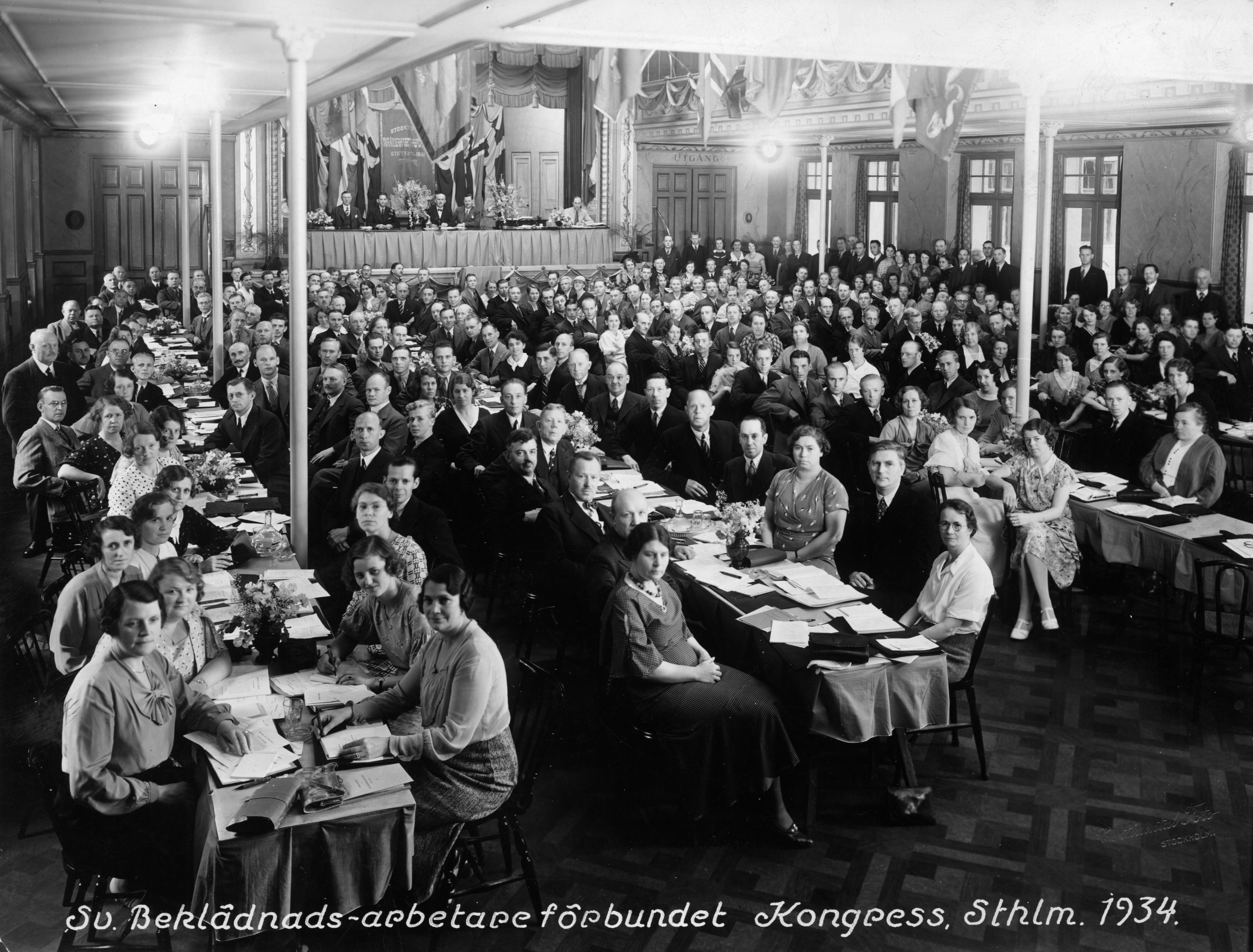
Before 1920, Swedish paper industry workers were organised in Sågverksarbetareförbundet (the Sawmill Workers' Union) and Grov- och fabriksarbetareförbundet (the General and Factory Workers' Union). But on 21 June 1920, at a constituent congress, they formed their own union. The organisation acquired premises in Gävle and G.O. Strand was elected as its first representative. From 1921, it published the magazine Pappersindustriarbetaren (Paper Industry Worker), which ceased publication in 1935 and was replaced by the cartel magazine SIA. The union moved to Stockholm in 1928 and continues to operate as an independent union.
national branch

Statens Sjukhuspersonals Förbund (1908–1967)
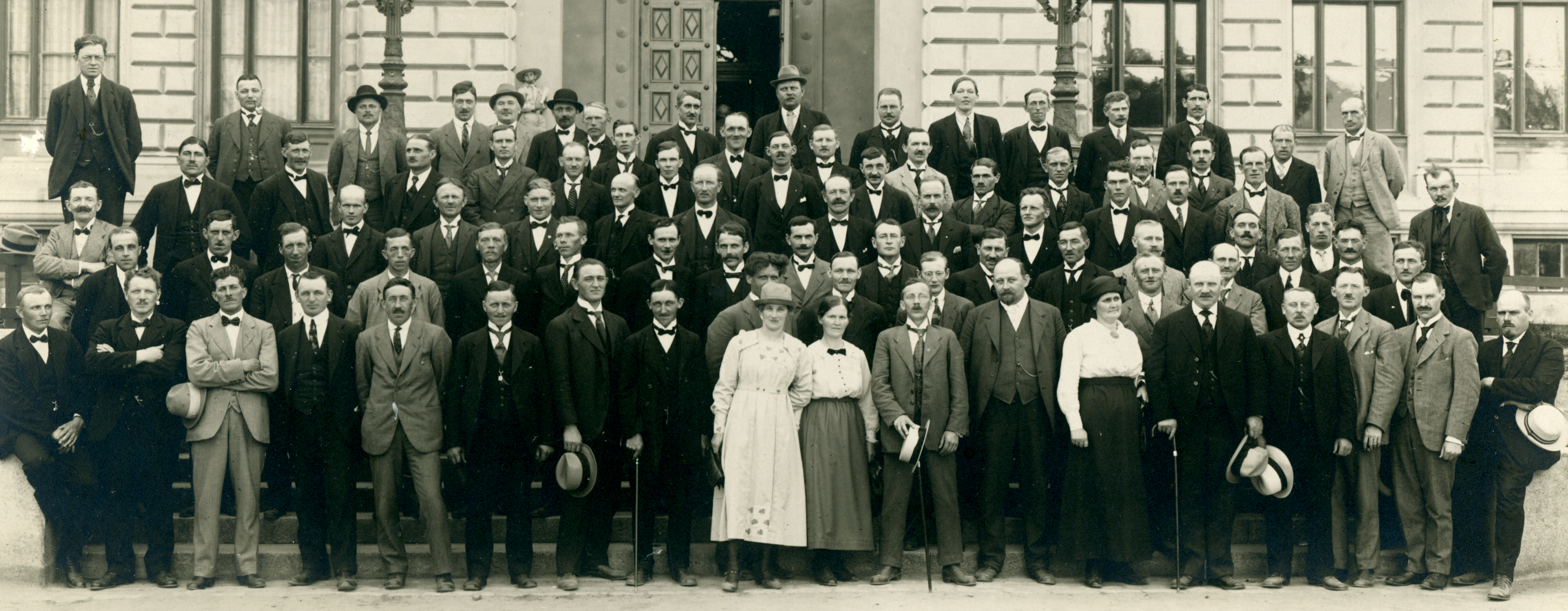
The Swedish Hospital Staff Union resulted from the merger of Svenska sinnessjukvårdspersonalens förbund (the Swedish Mental Health Care Staff Union) and Statens sjukhus ekonomipersonals förbund (theSwedish Hospital Financial Staff Union). This merger took place on 5 August 1941, and Hans Truedsson was elected as the first chair of the newly formed organisation.
From the outset, the new union was affiliated with LO (the Swedish Trade Union Confederation) and Statstjänarekartellen (the Civil Servants' Cartel). In 1948, Svenska sinnessjukhusens förmansförening (the Swedish Mental Health Care Supervisors' Association) merged with the union. On 1 January 1967, the organisation ceased to exist and merged with Kommunalarbetareförbundet (the Swedish Municipal Workers' Union).
From the outset, the new union was affiliated with LO (the Swedish Trade Union Confederation) and Statstjänarekartellen (the Civil Servants' Cartel). In 1948, Svenska sinnessjukhusens förmansförening (the Swedish Mental Health Care Supervisors' Association) merged with the union. On 1 January 1967, the organisation ceased to exist and merged with Kommunalarbetareförbundet (the Swedish Municipal Workers' Union).
national branch
Kvinnornas fackförbund (1902-1909)
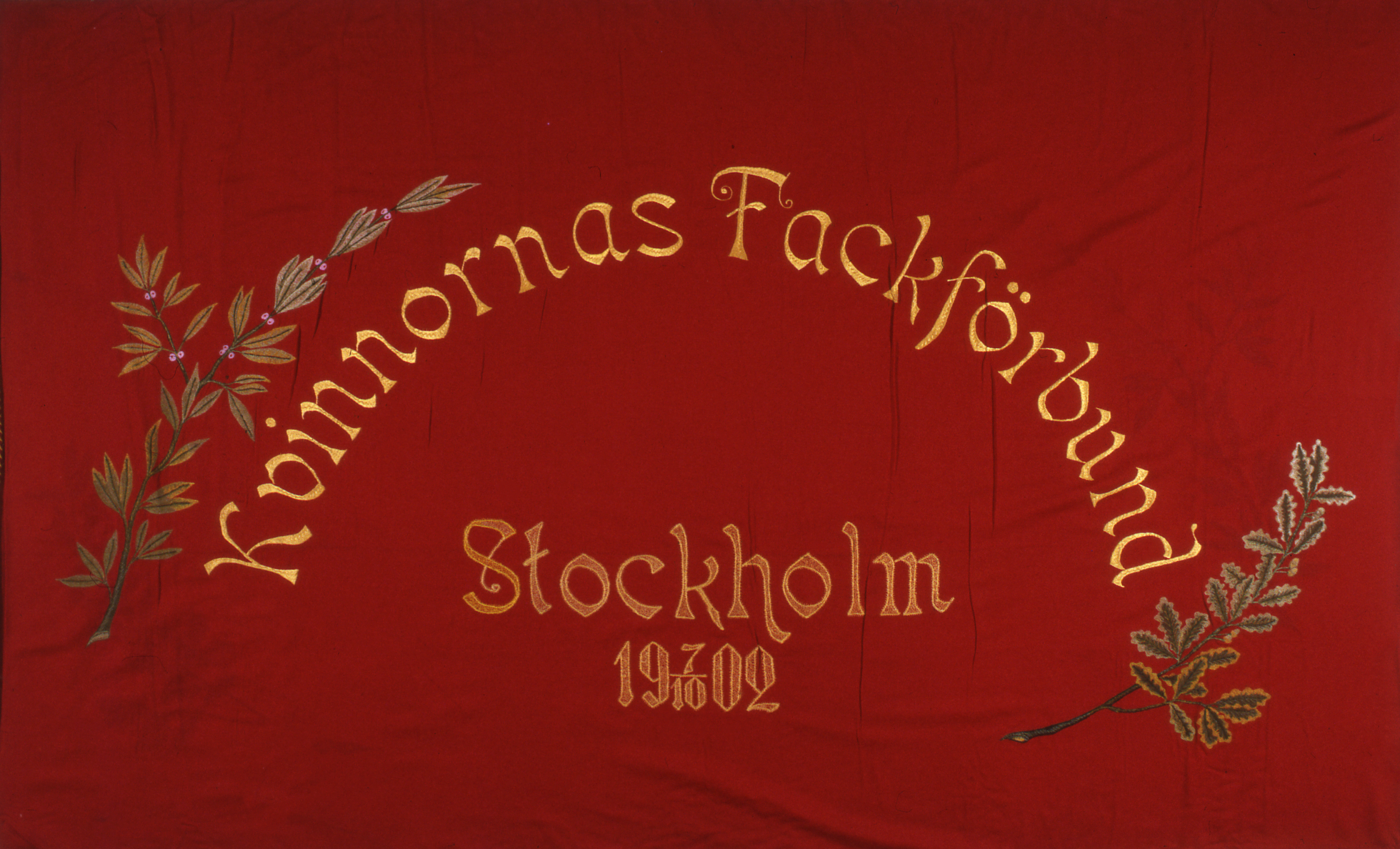
It was difficult, sometimes impossible, for women to raise issues within the male-dominated organisations of the early labour movement. For example, Skrädderiarbetareförbundet (the Tailors' Union) was not interested in organising female workers at the time, so a large proportion of the country's seamstresses remained unorganised. During the 1890s, women therefore began to organise themselves into their own political organisations and trade unions.
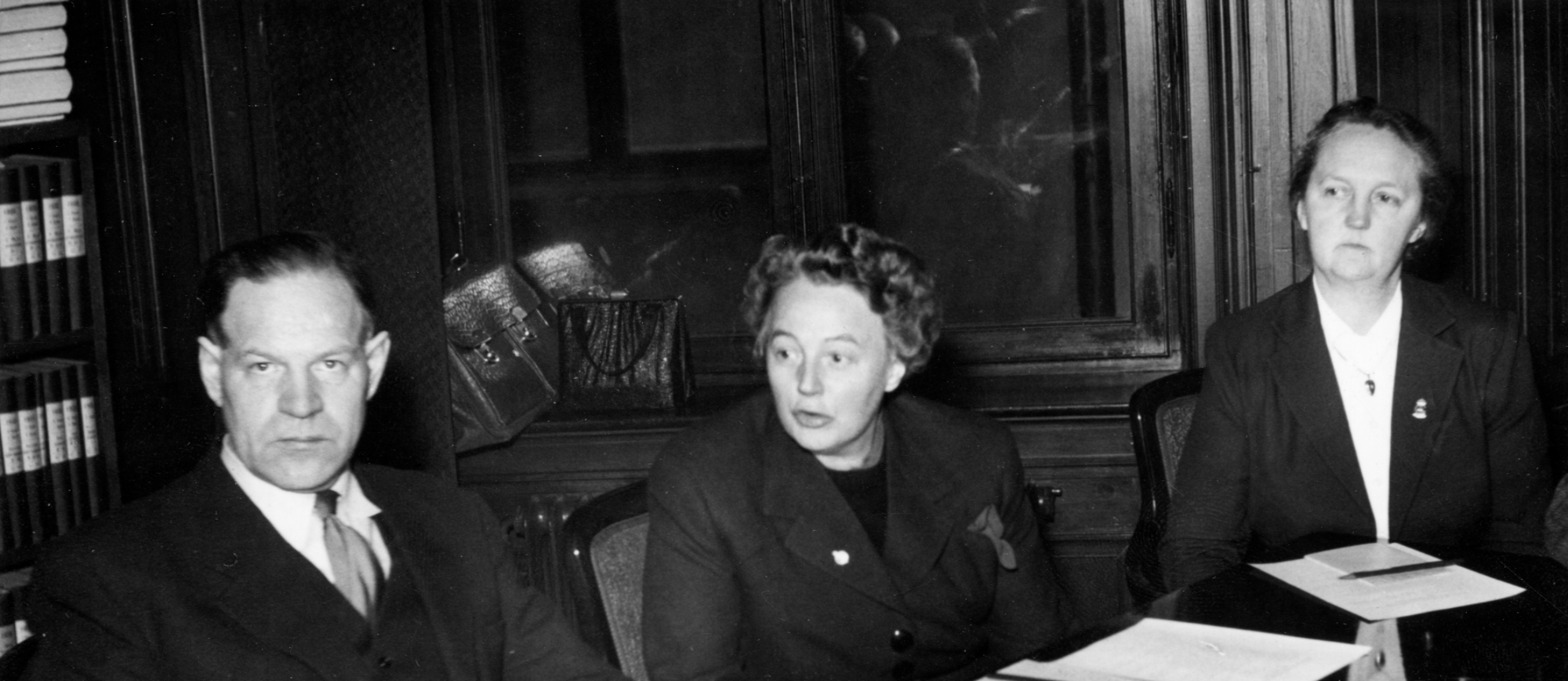
In 1897, a committee for female agitation was formed within Stockholms Almänna kvinnoklubb (the Stockholm General Women's Club). It worked to increase trade union awareness among women. Anna Sterky was the driving force behind the committee, and when it was reorganised into Kvinnornas fackförneing (the Women's Trade Union) in 1902, she became its first chairperson.
The organisation was initially an association of mainly seamstresses. They worked to promote trade union issues for female workers. The organisation joined LO (the Swedish Trade Union Confederation) in 1904 and in the same year the first issue of their newspaper Morgonbris was published. In 1905, the organisation took the initiative to start the cooperative sewing factory Linnéa in Stockholm. And in 1906, an agitator, Signe Vessman, was hired to work full-time on the organisation's issues.
But when the organisation unionised domestic workers in 1908, it violated the so-called industrial union principle within LO. This meant that a union should organise workers within a single industry or occupational area. In addition, Skrädderiarbetareförbundet (the Tailors' Union) had now begun accepting seamstresses as members, which meant the union's membership base was shrinking. In 1909, the organisation therefore ceased to exist and its members transferred to the Tailors' Union. Socialdemokratiska kvinnoförbundet (the Social Democratic Women's organsiation) took over Morgonbris.
In 1897, a committee for female agitation was formed within Stockholms Almänna kvinnoklubb (the Stockholm General Women's Club). It worked to increase trade union awareness among women. Anna Sterky was the driving force behind the committee, and when it was reorganised into Kvinnornas fackförneing (the Women's Trade Union) in 1902, she became its first chairperson.
The organisation was initially an association of mainly seamstresses. They worked to promote trade union issues for female workers. The organisation joined LO (the Swedish Trade Union Confederation) in 1904 and in the same year the first issue of their newspaper Morgonbris was published. In 1905, the organisation took the initiative to start the cooperative sewing factory Linnéa in Stockholm. And in 1906, an agitator, Signe Vessman, was hired to work full-time on the organisation's issues.
But when the organisation unionised domestic workers in 1908, it violated the so-called industrial union principle within LO. This meant that a union should organise workers within a single industry or occupational area. In addition, Skrädderiarbetareförbundet (the Tailors' Union) had now begun accepting seamstresses as members, which meant the union's membership base was shrinking. In 1909, the organisation therefore ceased to exist and its members transferred to the Tailors' Union. Socialdemokratiska kvinnoförbundet (the Social Democratic Women's organsiation) took over Morgonbris.
Other
Tobaksindustriarbetareförbundet (1889-1964)
The organisation was founded on 1 December 1889. It was initially called the Scandinavian Tobacco Workers' Union, but in 1899 the name was changed to the International Tobacco Workers' Union in Sweden. The union's newspaper, Tobaksarbetaren (The Tobacco Worker), was also founded at that time. In 1918, the organisation was given its final name: the Swedish Tobacco Industry Workers' Union. In 1964, the union merged with the Swedish Food Workers' Union.
The union's first representative was Anders Sörensson.
The union's first representative was Anders Sörensson.
national branch
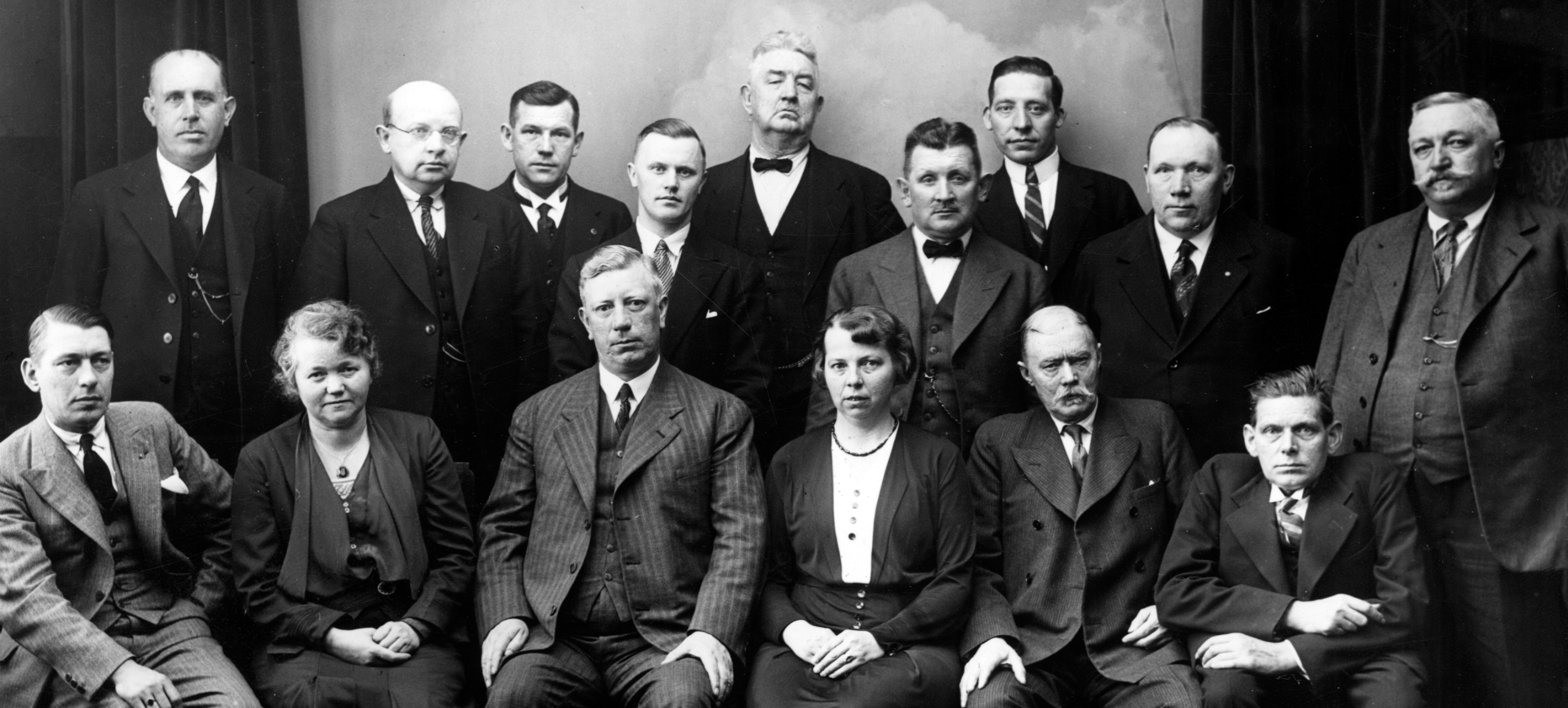
Beklädnadsarbetareförbundet avd 012 sektion 11 Uppsala HJALMAR Söderbergs Verkstadsklubb
1938 - The local club at Hjalmar Söderbergs is founded as Söderberg's section of the Swedish Clothing Workers' Union division 66.
1946 - The section becomes a workshop club.
1960 - The club is ended.
1946 - The section becomes a workshop club.
1960 - The club is ended.
workplace
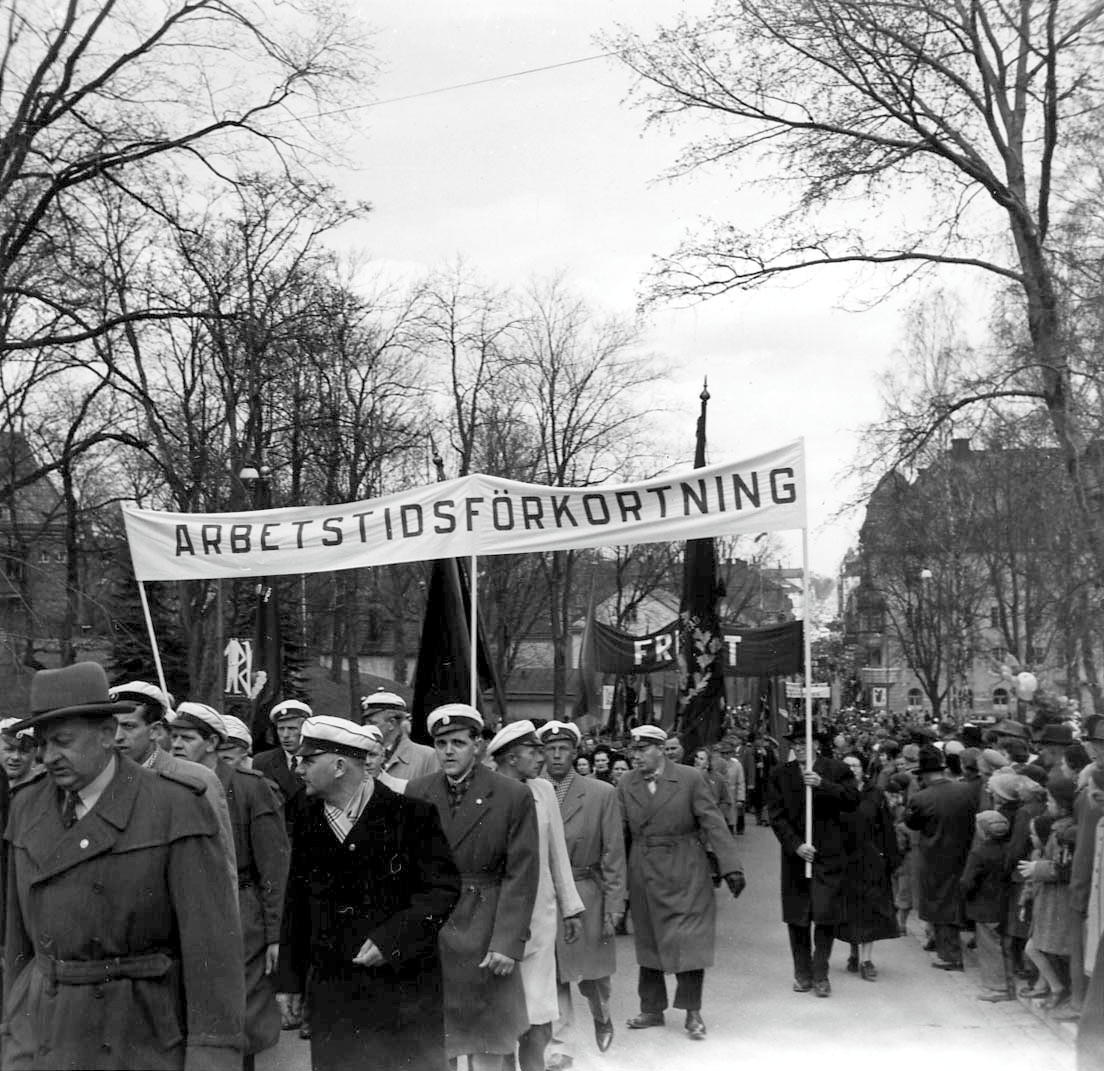
Beklädnadsarbetareförbundet avd 010-012 sektion Enköping
1931 - formed on 14/12 as department 19 of the Swedish Hat and Fur Industry Workers' Union.
1933 - became part of department 77 of the Swedish Clothing Workers' Union and the Swedish Hat and Fur Industry Workers' Union was ended.
1966 - reorganized to become a section of department 12 with its board seat in Stockholm.
1984 - departments 10 and 12 merged and were given their seat in Kumla.
1933 - became part of department 77 of the Swedish Clothing Workers' Union and the Swedish Hat and Fur Industry Workers' Union was ended.
1966 - reorganized to become a section of department 12 with its board seat in Stockholm.
1984 - departments 10 and 12 merged and were given their seat in Kumla.
section
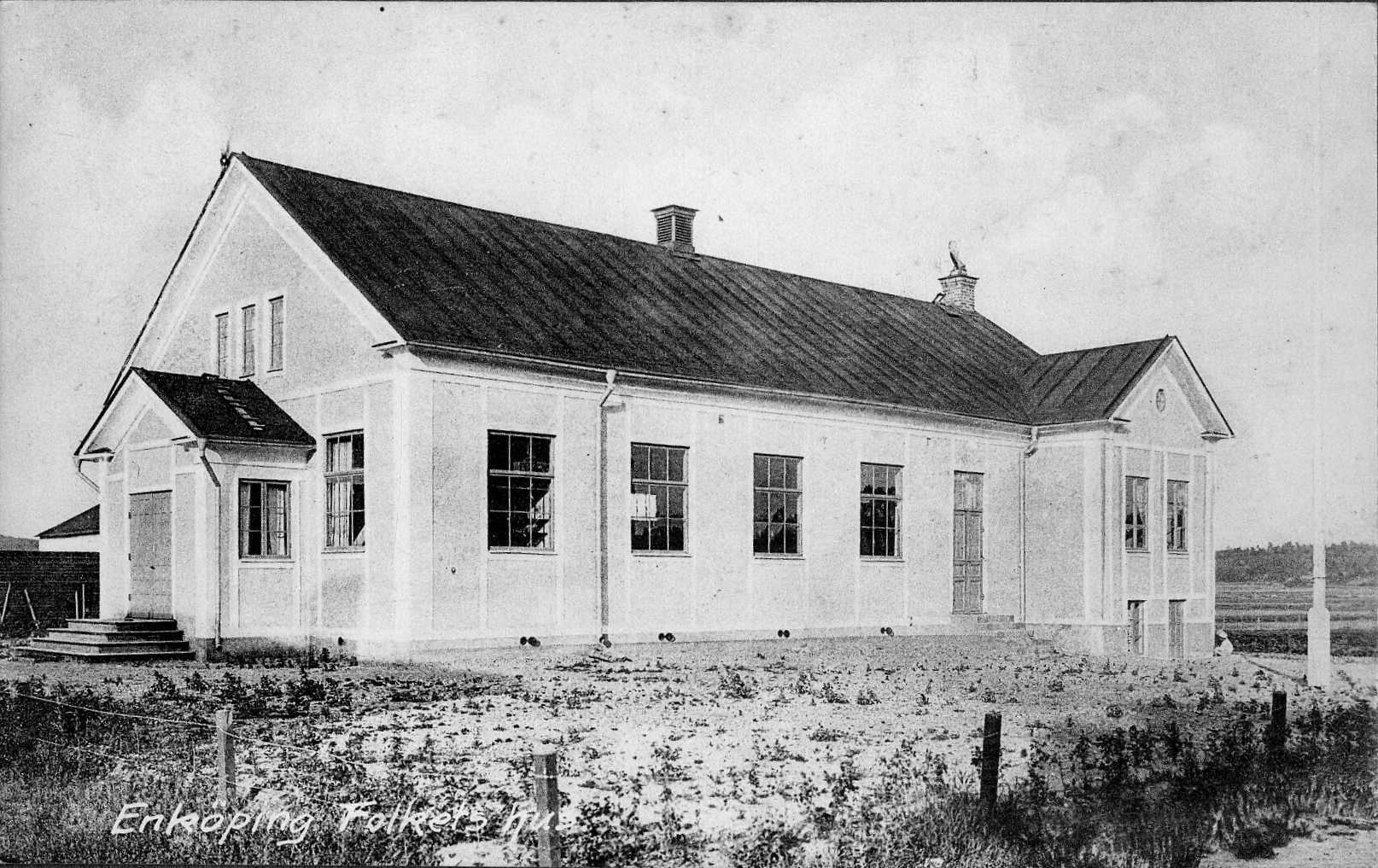
Beklädnadsarbetareförbundet avd 010-012 sektion Enköping klubb Joar Fashion
1983 - The club is founded.
1985 - The club is ended.
1985 - The club is ended.
workplace
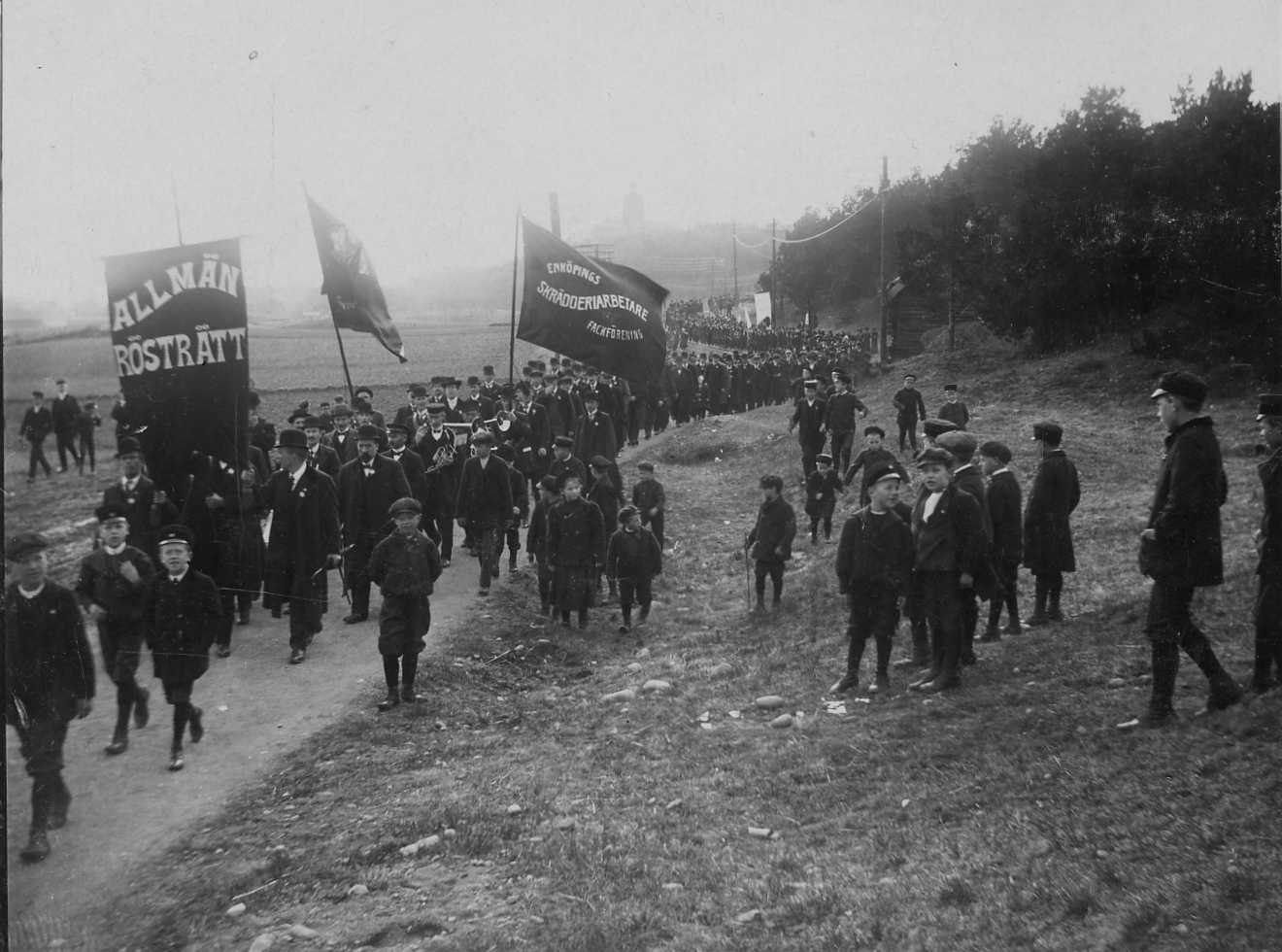
Svenska Bryggeriindustriarbetareförbundet (1917–1965)
1917 - changed name from Svenska Bryggeriarbetareförbundet
1965 - merged with Svenska Livsmedelsarbetareförbundet
1965 - merged with Svenska Livsmedelsarbetareförbundet
national branch
Lantarbetareförbundet avd 130 Sparrsätra (1959-1964)
Formed through the merging of department 684 Vårfrukyrka-Sparrsätra and department 130 Breddalsorten.
Division
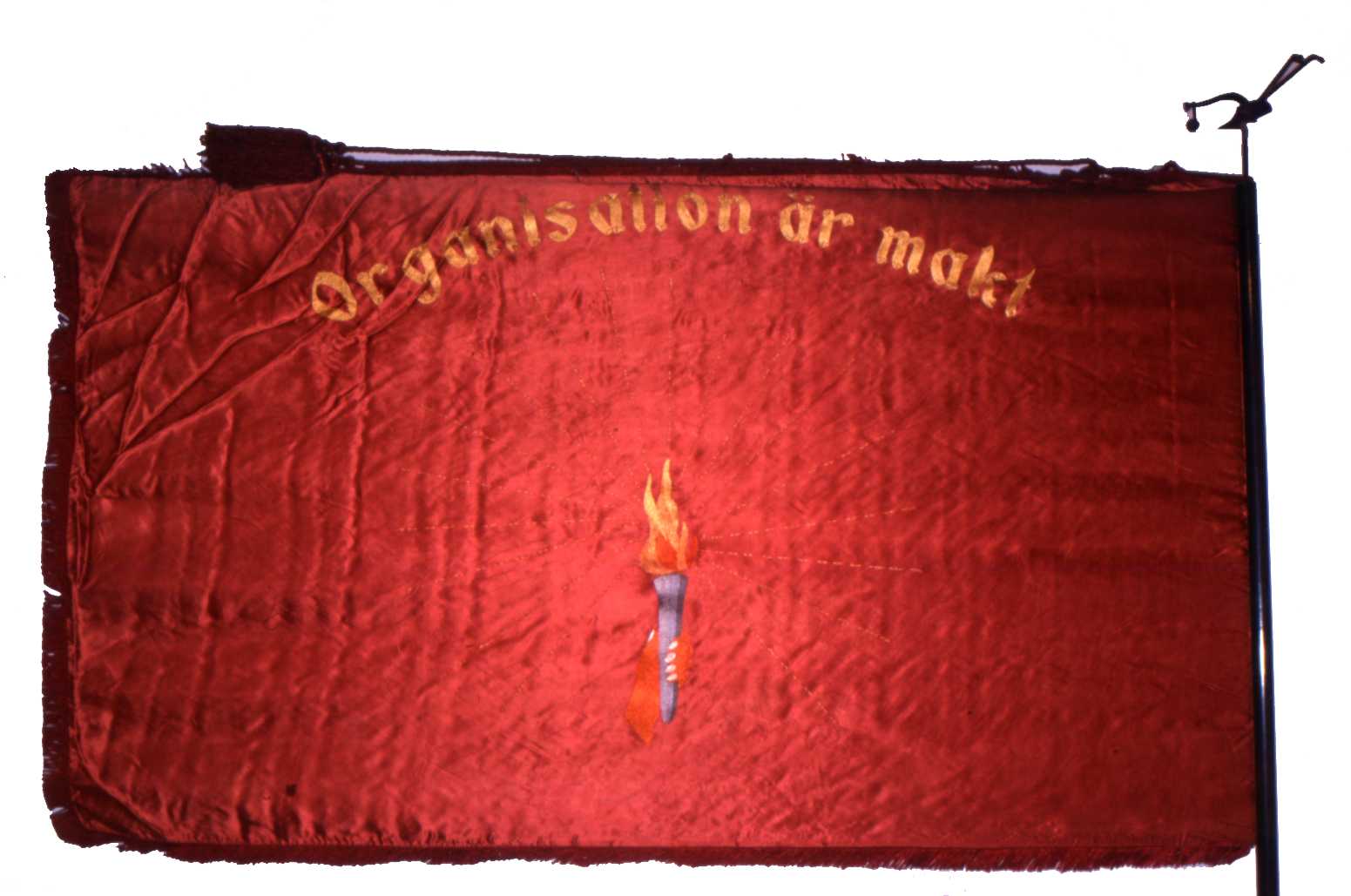
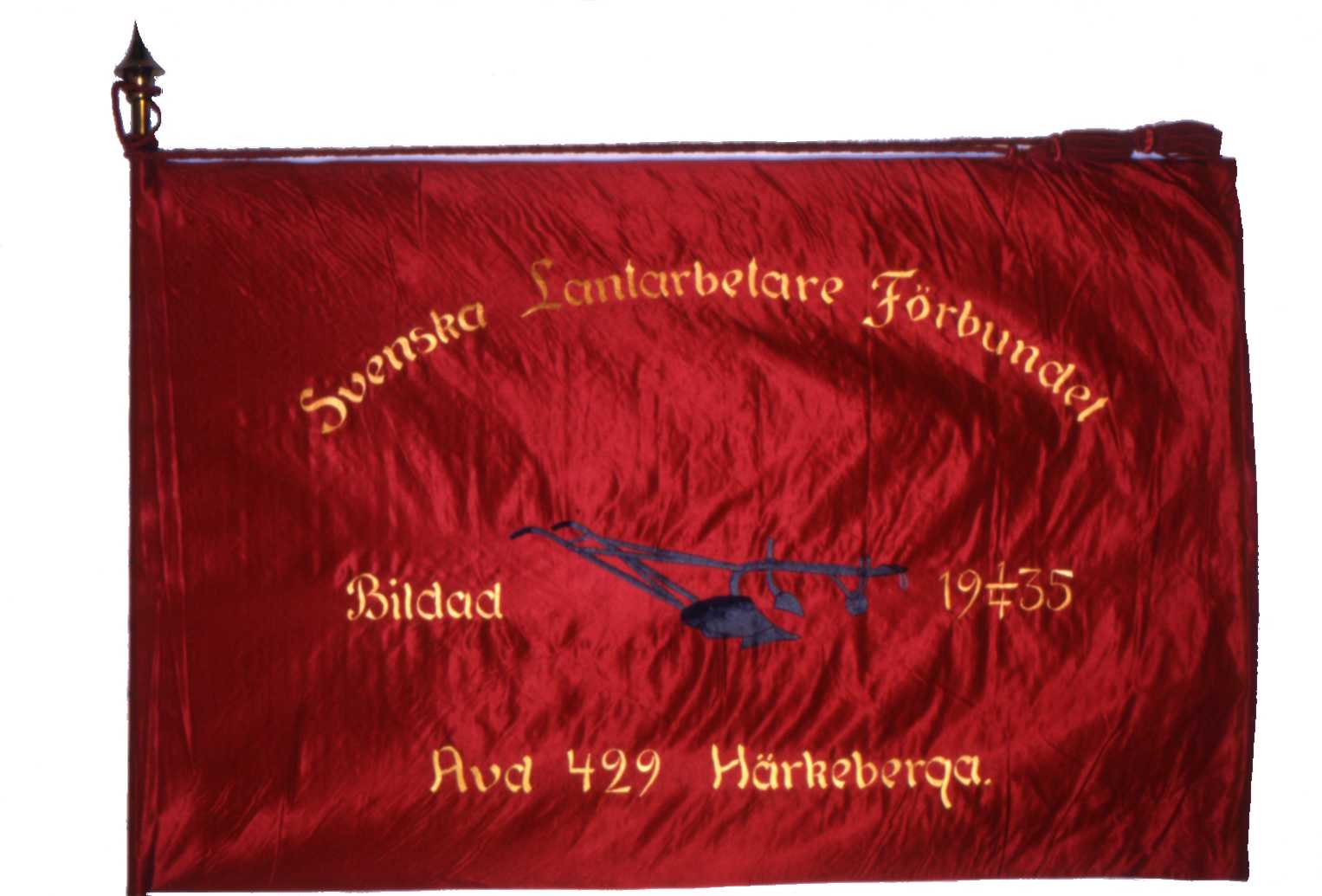
Lantarbetareförbundet avd 429 Härkeberga (1939-1952)
Formed within the Uppland Agricultural Workers' Union as division 092 Härkeberga.
Reformed in 1935, then under the name division 429 Härkeberga.
On January 1, 1967, the department merged into the new department 023 Enköping, which was formed at that time.
Reformed in 1935, then under the name division 429 Härkeberga.
On January 1, 1967, the department merged into the new department 023 Enköping, which was formed at that time.
division
International Transport Workers' Federation – ITF (1896–)
The organisation was founded at a meeting in London in 1896. Among the founders were Tom Mann and Ben Tillett, the British Dock, Wharf, Riverside and General Labourers' Union; Charles Lindley, from the Swedish Transport Workers Union; and Havelock Wilson, from the British National Fishermen's and Sailors Union.
Originally named the International Federation of Ship, Dock and River Workers in 1898, it later merged with the International Commission for Railwaymen and adopted its current name.
Originally named the International Federation of Ship, Dock and River Workers in 1898, it later merged with the International Commission for Railwaymen and adopted its current name.
International branch